







Search Results for: guochao coffee
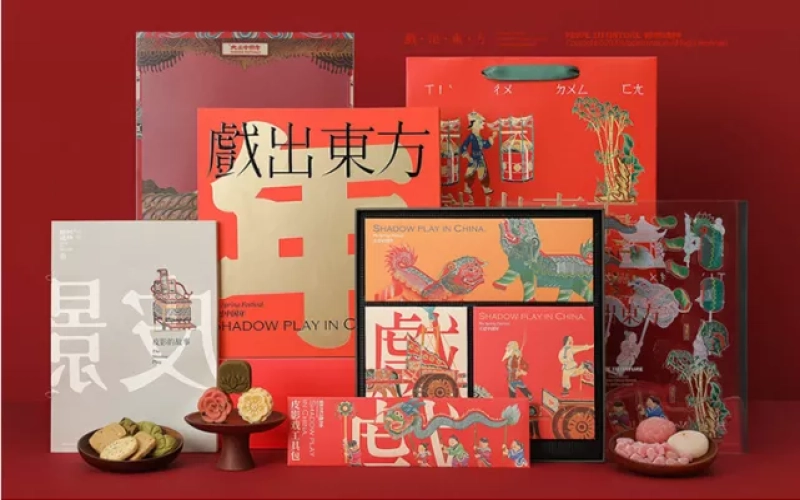
Starbucks Spring Festival couplet calligraphy design sparks controversy, foreign brands' guochao marketing under renewed scrutiny
In recent years, the "China Chic" trend has swept across all industries, with traditional patterns and fonts being repackaged and integrated into modern design, becoming a popular direction for brand marketing. The Lunar New Year is a key moment for major brands to showcase their "China Chic" creativity. This year, Starbucks collaborated with calligraphy artist Zhu Jingyi to launch Spring Festival couplets, attempting to interpret traditional Spring Festival elements in a trendy way, but it sparked widespread questioning from netizens due to the writing style and content expression. This is not Starbucks' first attempt at "China Chic"; from the "Three Good Star Youth" in 2020 to the 2022 Chinese New Year series, its strategy has gradually escalated. However, as an important carrier of traditional culture, Spring Festival couplets carry auspicious meanings, and this controversy also prompts reflection on how foreign brands can appropriately use "China Chic" elements. [more…]
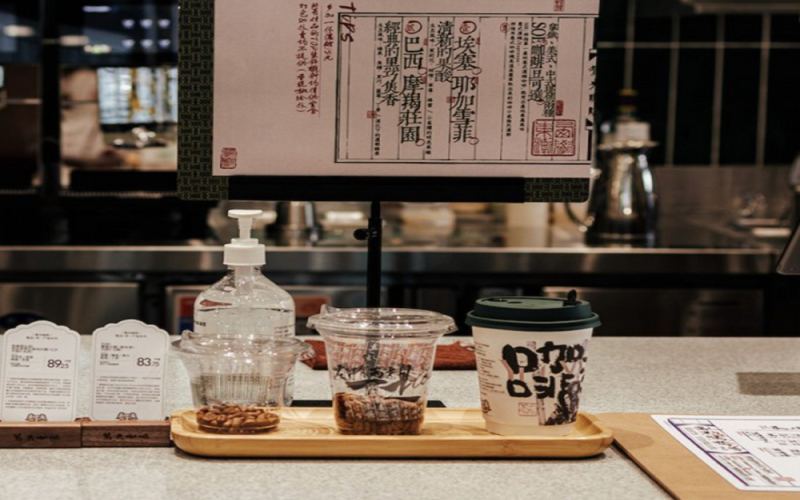
From Guochao Design to Local Flavors: How Chinese-Style Coffee Is Forging Its Own Path
In recent years, cafés featuring elements of traditional Chinese culture have been springing up one after another, and coffee, this imported product, is accelerating its path toward Sinicization. From new-style tea beverage brands跨界 opening coffee shops, to domestic local brands driving down prices to cultivate the market, to industry practitioners proposing that Chinese-style coffee should have its own mode of expression, this path is full of both opportunities and challenges. This article sorts out the evolution of coffee in China from the instant coffee era to the specialty coffee wave, and explores the current state and future of new Chinese-style coffee—innovation can attract the masses, but only professionalism, the cultivation of local bean varieties, and deep cultivation of the Yunnan production region can truly make Chinese-style coffee remembered by the world. At the end of the article, Front Street Coffee's communication channels are attached. [more…]

Coffee shops rush to collaborate with Chicecream: A professional cold reflection behind the traffic frenzy
Zhong Xue Gao was thrust into the spotlight of public opinion over its high-priced ice cream, yet it gained unprecedented attention amid the controversy. This year, more than 600 coffee shops rushed to collaborate with it on pop-up events, using different flavors of ice cream to craft creative coffee drinks. Behind this wave of collaborations lies both brands' pursuit of traffic and a reflection of the weight of guochao culture in consumers' minds. However, the heat brought by collaborations is ultimately short-lived, and how coffee shops can convert traffic into long-term repeat purchases is the question more worthy of deep thought. This article will start with Zhong Xue Gao's public opinion storm and analyze the logic and hidden concerns behind the coffee collaboration phenomenon. [more…]
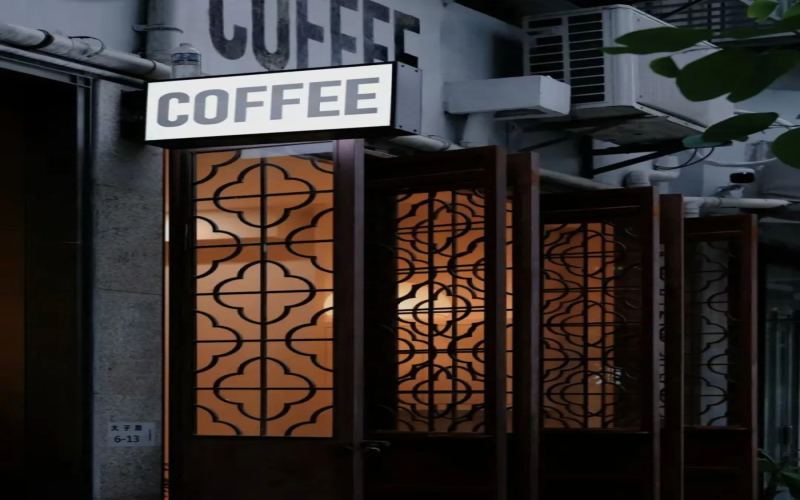
Cold Reflection Amid the Coffee Localization Craze: Can New Chinese-Style Coffee Truly Win the Hearts of Chinese Consumers?
In recent years, "new Chinese style" has become a hot topic in the food and beverage industry, and coffee is no exception. From coffee served in lidded bowls to collaborations with Chinese-style breakfasts and traditional medicinal herbs, a growing number of coffee professionals are trying to blend coffee with elements of traditional Chinese culture. This localization strategy has indeed opened up a new niche in the coffee market, drawing a great deal of attention on the back of the "national trend" wave. Yet when coffee is draped in a gorgeous Chinese-style exterior, what do people actually remember—the coffee itself, or the exquisite packaging and settings? This article takes an in-depth look at the current state of new Chinese-style coffee and its hidden concerns, reflects on whether the development of coffee culture in China has truly touched the essence, and calls for more professional attention and dedication to coffee itself. [more…]
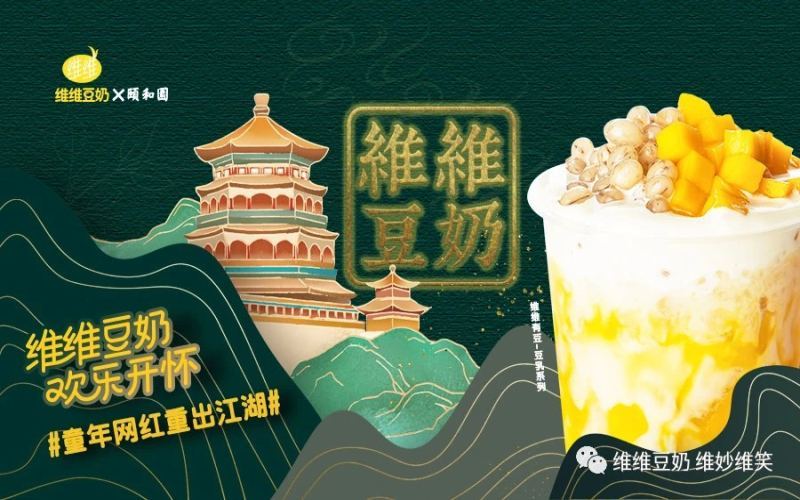
Weiwei Soy Milk Teams Up with the Summer Palace to Enter the Milk Tea Market; Whether Its 10,000-Store Goal Can Be Achieved Remains to Be Tested by the Market
The once-national soy milk brand Weiwei Soy Milk has announced a co-branded flagship store for handmade drinks with the Summer Palace, and plans to expand to tens of thousands of stores nationwide in the future. This cross-industry move has attracted widespread attention at a time when competition in the tea beverage market is white-hot. Can Weiwei Soy Milk break through with the halo of childhood memories and guochao design, or will it repeat the mistakes of Wahaha's milk tea? This article analyzes store design, brand history, market environment, product series, and other aspects, and also focuses on its franchise strategy and future layout, providing a calm observation for coffee and beverage enthusiasts. [more…]

Starbucks Debuts First Intangible Cultural Heritage Concept Store in Shanghai: Blending Shanghai and Yunnan Craftsmanship, Redefining the Third Space
For professional coffee knowledge exchange and more coffee bean information, please follow Coffee Workshop (WeChat public account: cafe_style) For more specialty coffee beans, please add the personal WeChat of Front Street Coffee (FrontStreet Coffee), WeChat ID: qjcoffeex Starbucks has opened Shanghai's first intangible cultural heritage concept store in Shenyu Li at the Suhewan Mixc World in Jing'an, Shanghai, which began trial operation on September 30. This store combines Yunnan ethnic minority craftsmanship with the design concept of Shanghai qipao, creating a unique venue that serves both as a third place and as an intangible cultural heritage art exhibition space. The store offers Reserve Yunnan coffee beans and incorporates interactive experiences such as siphon coffee brewing. This move continues Starbucks' public welfare trajectory since the "Rural Mothers Acceleration Plan" in 2020 and also echoes the current trend of guochao consumption. [more…]

Sexytea Removes English Logo: Brand Creativity Boundaries Spark Debate Again
Sexytea has recently announced the removal of the English logo "Sexytea" from its newly opened stores and promised that future stores will no longer use the name, with existing stores' English logos also being gradually replaced. The brand explained that "Sexy" was intended to mean "charming," hoping customers would feel surprise in every cup of tea, but due to the word's multiple meanings causing controversy, they deeply apologize. The statement also mentioned that the team had discussed optimizing the English name during a mid-year review, but progress was slow, and this online discussion served as a wake-up call. Additionally, netizens dug up past incidents where Sexytea had apologized twice—once for a mug with the phrase "pick up leftovers" and once for tea bags labeled "Officer, I want it"—sparking renewed discussion about the boundaries of brand creativity. As a representative of Changsha's local guochao tea beverage scene, how Sexytea balances creativity and values is worth watching. [more…]

Yunnan Small-Bean Coffee Price Trends and Industry Development Observations: 2022 Arabica Market Analysis
Yunnan's coffee industry is undergoing a notable price surge and heightened market attention. Since 2021, domestic new-style tea beverage and coffee brands have been incorporating Yunnan beans into their menus, with the national trend of guochao consumption and the domestic coffee boom together driving up the popularity of the production region. Consumer demand for Yunnan coffee has surged, directly pushing up coffee bean prices. At the same time, the global pandemic has caused supply chain delays, with delivery cycles extended from one or two months to three or four months. Reduced supply coupled with rapidly rising consumption has further driven up the market. While Yunnan coffee is embracing opportunities, it also faces practical limitations such as uneven planting standards, insufficient talent and industry chain support, and a lack of pricing power. Cities like Pu'er are advancing industrial upgrading with the goals of specialty-grade quality and standardization. The coffee output value of Ning'er County is expected to continue growing, and the Yunnan coffee price index also reflects market changes. [more…]
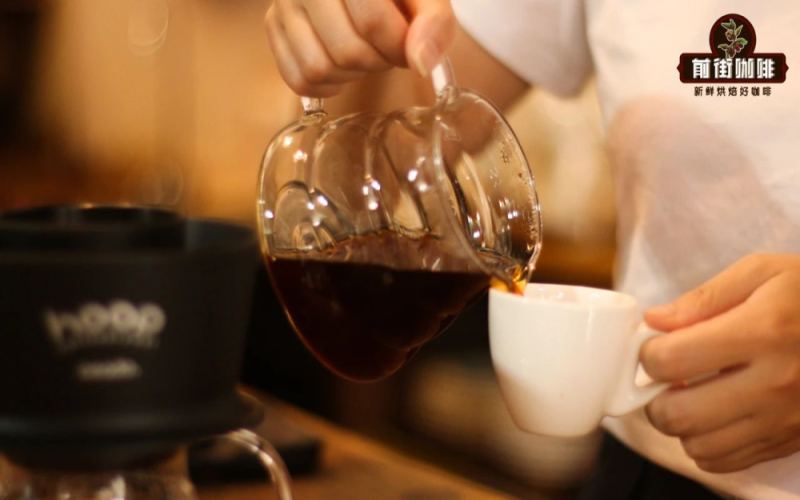
A Complete Guide to Yunnan Coffee Varieties and Flavors: The Arabica Black Coffee Sweet-vs-Bitter Debate and Front Street's Origin Practices
Yunnan coffee has become a hot topic in the recent wave of guochao (national trend) beverages, and many people walk into cafés and ask whether they have good-tasting Yunnan beans. This article systematically sorts through the growing conditions, historical origins, and three waves of development of Yunnan coffee, explains in detail the origins, flavor characteristics, and acidity-bitterness performance of the two major varieties, Typica and Catimor, and introduces Front Street Coffee's practice of growing sun-dried Typica on its own estate in Lincang, along with brewing parameters and flavor descriptions, to help coffee lovers gain a comprehensive understanding of the varietal quality and flavor direction of Yunnan small-bean coffee. [more…]

Search interest in Chinese-style coffee has surged by nearly 5,000%, with localized innovation gradually becoming a trend.
In recent years, more and more products and spaces with Chinese elements have emerged in the coffee field. From brands and bean sources to creative beverages and store designs, coffee's "Chinese flavor" has become increasingly pronounced. Data shows that in the third quarter of this year, searches for "coffee + art" increased by 3,025% year-on-year, searches for "specialty coffee" grew by 207%, and search interest in "Chinese-style coffee" surged by 4,713% year-on-year. Behind this phenomenon is not only the rise of local coffee brands and the improvement in the quality of Yunnan coffee, but also a reflection of the new generation of consumers' preference for national trends and local culture. Coffee shops have narrowed the distance between Chinese people and coffee through traditional tableware, Chinese-style interior design, and innovations with regional ingredients. Although Chinese-style coffee has not yet formed an independent school, its boundary-breaking exploration has already attracted widespread attention. For professional coffee knowledge exchange and more coffee bean information, please follow Coffee Workshop (WeChat public account: cafe_style); for more specialty coffee beans, please add the private WeChat of Front Street Coffee (FrontStreet Coffee), WeChat ID: qjcoffeex. [more…]
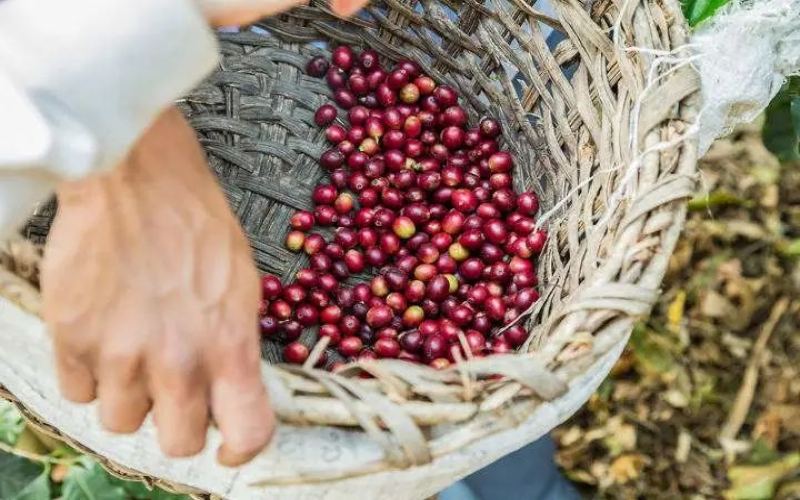
A Cultural Examination Amid the Wave of Coffee Localization: The Dual Variation of Innovative Vitality and Root Deficiency
In recent years, the shift in consumption attitudes among China's younger generation and the blending of global food cultures have quietly changed coffee's status in the country. Chain brands have brought coffee from a light luxury into daily life, specialty coffee culture has rapidly spread with the help of local forces, and Yunnan coffee beans have moved from obscurity to popularity. What followed is a trend of coffee's "Sinicization"—from stewing and extraction to serving in tea bowls, from youtiao and jianbing to rice wine and Moutai, coffee is putting on a Chinese-style coat. Yet is this localization a school worth passing down, or a fleeting trend lacking roots and soul? This article will explore the innovative surface and inner deficiencies of Chinese-style coffee, and consider how coffee culture can truly take root in China. [more…]
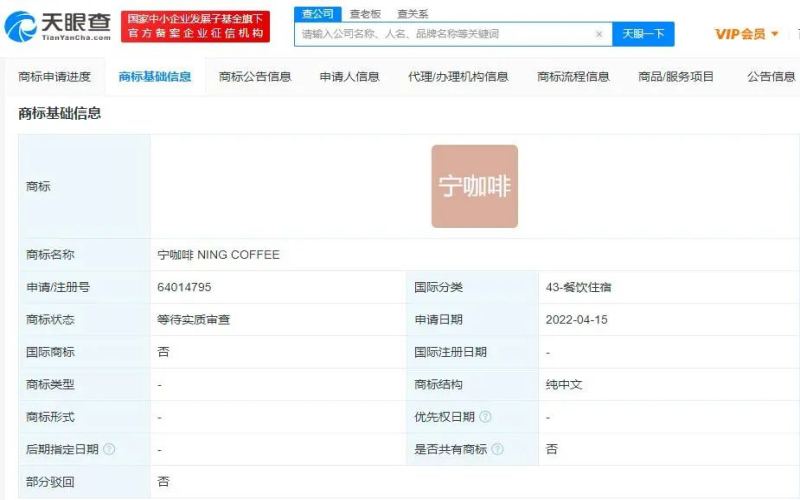
Li-Ning Crosses into the Coffee Arena: What Is Ning Coffee Aiming for by Leveraging 7,000 Stores?
Following China Post, Goubuli, Tongrentang, and PetroChina, Li-Ning has now officially entered the coffee business. Li-Ning Sports recently applied to register the "NING COFFEE" trademark and confirmed it will offer coffee services in its stores. Leveraging more than 7,000 Li-Ning stores nationwide, if NING COFFEE is rolled out fully, its store count will be considerable and may even surpass Luckin. In fact, Li-Ning began using coffee grounds to make sportswear as early as 2013, and has repeatedly tested the waters of freshly ground coffee since last year. Can NING COFFEE win consumer recognition amid fierce competition? Is the foray into coffee a serious business or a gimmick for service upgrades? This article takes you behind the scenes. [more…]
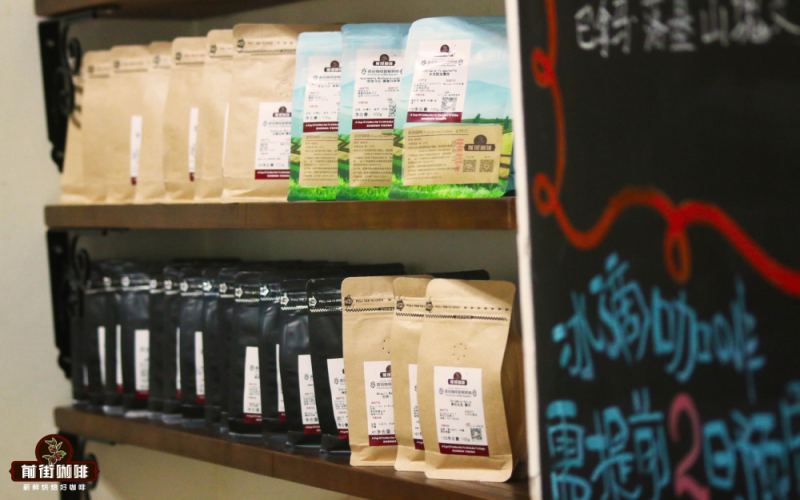
Yunnan Small-Bean Coffee Varieties and Regional Flavor Analysis: The Specialty Journey from Catimor to Typica
Yunnan coffee has risen rapidly on the specialty path in recent years. From Pu'er and Baoshan to Dehong and Lincang, each producing region nurtures small-bean coffee with distinct styles thanks to its unique terroir. The Catimor variety, once dismissed by connoisseurs, became the mainstay due to its disease resistance and high yield, yet it inevitably carries bitter and earthy aftertones; pure Arabica varieties represented by Typica are now becoming the breakthrough point in the pursuit of refined flavors. Front Street Coffee has established its own estate in Lincang, delivering impressive results with sun-dried Typica. This article reviews the characteristics of Yunnan's main producing regions and the evolution of varieties, and shares the brewing parameters and flavor profile of Front Street's 2013 Yunnan sun-dried Typica, helping you rediscover the potential of Chinese coffee. [more…]
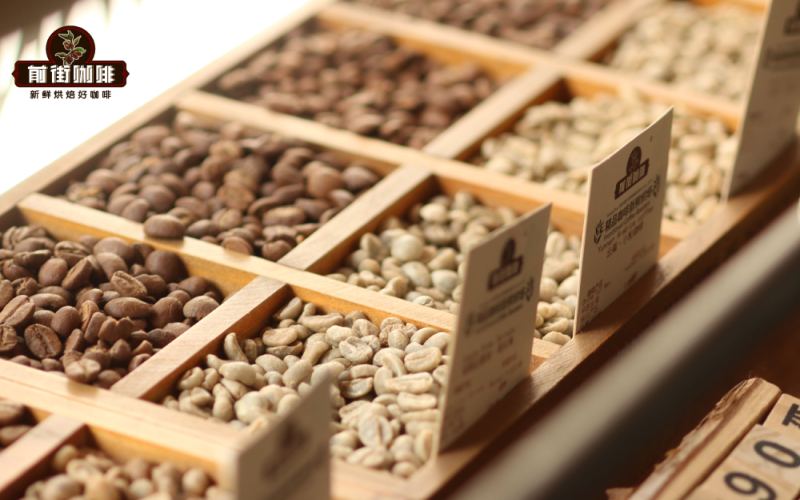
Is Yunnan Catimor an Arabica? An Analysis of the Flavor Characteristics of Yunnan Specialty Coffee Beans
Yunnan coffee has risen rapidly in China's specialty coffee market in recent years, with brands such as Luckin, Manner, Blue Bottle, and Seesaw launching Yunnan single-origin offerings, drawing widespread attention. However, the flavor profile of the Yunnan growing region has never been as clearly defined as that of Yirgacheffe. Front Street Coffee believes this is closely related to the fact that the Catimor variety, widely planted across Yunnan, inherently lacks clean flavor and clear layering. Catimor carries 25% Robusta lineage, with aromas that are not rich enough, a tendency toward heavy bitterness, and susceptibility to astringency. Although its yield far exceeds that of Typica, its quality is limited. Since 2013, Front Street Coffee has been growing Typica and a small amount of Bourbon in Lincang, Yunnan, attempting to explore more possibilities for Yunnan specialty coffee from the source of the variety itself. This article will sort out the relationship between Catimor and Arabica, and introduce the flavor performance and brewing recommendations of Front Street Yunnan Typica and Catimor everyday beans. [more…]

Pros and Cons of Drip Bag Coffee | How to Brew Jamaican Blue Mountain No. 1 Drip Coffee Bags? What Are the Wrong Ways to Brew Filter Coffee Bags?
For more specialty coffee knowledge, please follow the WeChat official account: Front Street Coffee (FrontStreet Coffee). Drip bag coffee is loved by coffee enthusiasts for its convenience, so many novice coffee lovers who have just started using drip bag coffee ask Front Street Coffee (FrontSt [more…]
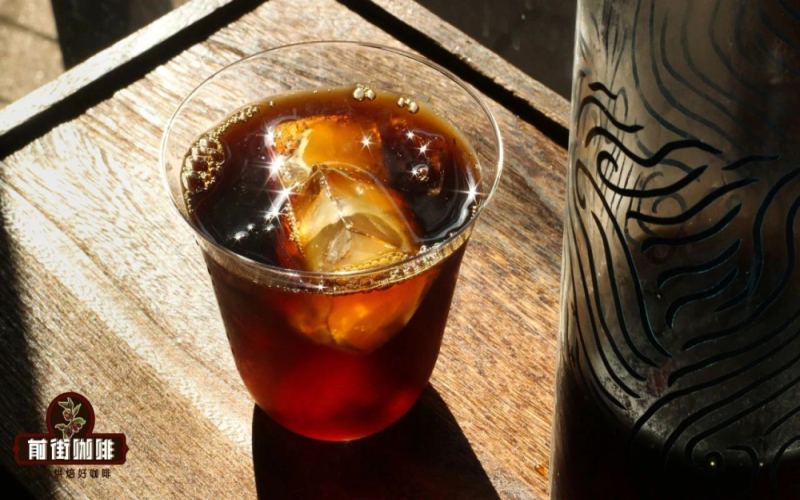
What Type of Coffee Does Cold Drip Coffee Belong To? A Detailed Explanation of the Preparation Steps and Its Flavor Differences from Cold Brew Coffee
As temperatures gradually rise, cold beverages enter their peak sales season, and cafés are putting all kinds of iced coffee on their menus, including Americano, cold brew, and the rather time-consuming ice drip coffee. Many consumers wonder why ice drip coffee is often priced considerably higher than ordinary iced coffee. In this article, Front Street Coffee will explain ice drip coffee's category classification, extraction principles, complete brewing process, and how it differs in flavor from cold brew coffee, while also introducing ice drip coffee's storage advantages and the people it suits, to help coffee lovers gain a comprehensive understanding of this slow-crafted coffee category. [more…]
A Complete Guide to the World's Twelve Great Specialty Coffee Regions: The Flavor Geography from Colombia to India
The flavor code of coffee is often hidden in the land where it grows. From the Andes in South America to the highlands of Africa, from the Caribbean islands to the archipelagos of Asia, each producing region shapes an unrepeatable landscape in the cup through its unique climate, altitude, and processing methods. This article will take you on a visit to twelve globally recognized high-quality coffee origins—Colombia's balanced smoothness, Ethiopia's wild wine-like aroma, Jamaica Blue Mountain's scarce legend, Yemen Mocha's complexity and variability, as well as the distinctive personalities of Kenya, Indonesia, Hawaii, and other places. Whether you are a beginner pour-over enthusiast or a seasoned player looking for your next bag of beans, this origin guide can help you build a clearer flavor coordinate system. Front Street Coffee will also accompany you in understanding the origins while finding the cup that suits you. [more…]

Drip Coffee Bags | How acidic is dark roast Brazilian drip black coffee? How to brew Mandheling, Yirgacheffe, and Brazilian drip coffee?
With the rise of the specialty coffee trend, coffee culture has been continuously spreading, and sales of both coffee equipment and coffee beans are constantly increasing. As a store focused on specialty coffee, Front Street not only brews a delicious cup of coffee for every guest, but also aims to spread coffee culture. If everyone [more…]

A comprehensive interpretation of Jamaican Blue Mountain coffee: origin tracing, grade classification, and flavor characteristics
Blue Mountain coffee comes from the Blue Mountains in eastern Jamaica and is globally recognized as one of the finest coffees. This article provides a systematic overview of Jamaican Blue Mountain coffee from multiple dimensions, including the growing environment, historical origins, grade classification, quality control, export quotas, and brewing methods. Blue Mountain coffee is known as the "beauty of coffees" because its sweetness, acidity, and bitterness are highly balanced, with almost no bitterness and only a moderate, elegant acidity. The article also explains in detail the differences between Blue Mountain coffee, High Mountain coffee, and Jamaican coffee, as well as the historical background of Japan's long-standing dominance of the Blue Mountain trade, helping coffee lovers gain a comprehensive understanding of this legendary coffee. [more…]
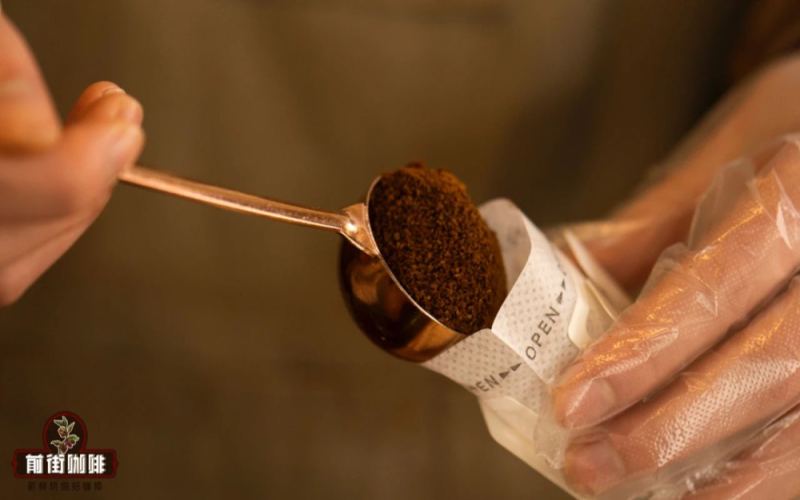
Drip bags vs instant coffee | Which is better: pour-over drip coffee bags or instant coffee? Is there a big difference in flavor and mouthfeel between drip coffee bags and hand-brewed coffee?
With the rise of the specialty coffee trend, coffee culture has been continuously spreading, and sales of both coffee equipment and coffee beans have been steadily increasing. As a shop focused on specialty coffee, Front Street not only brews a delicious cup of coffee for every guest, but also wants to spread coffee culture. If everyone [more…]